


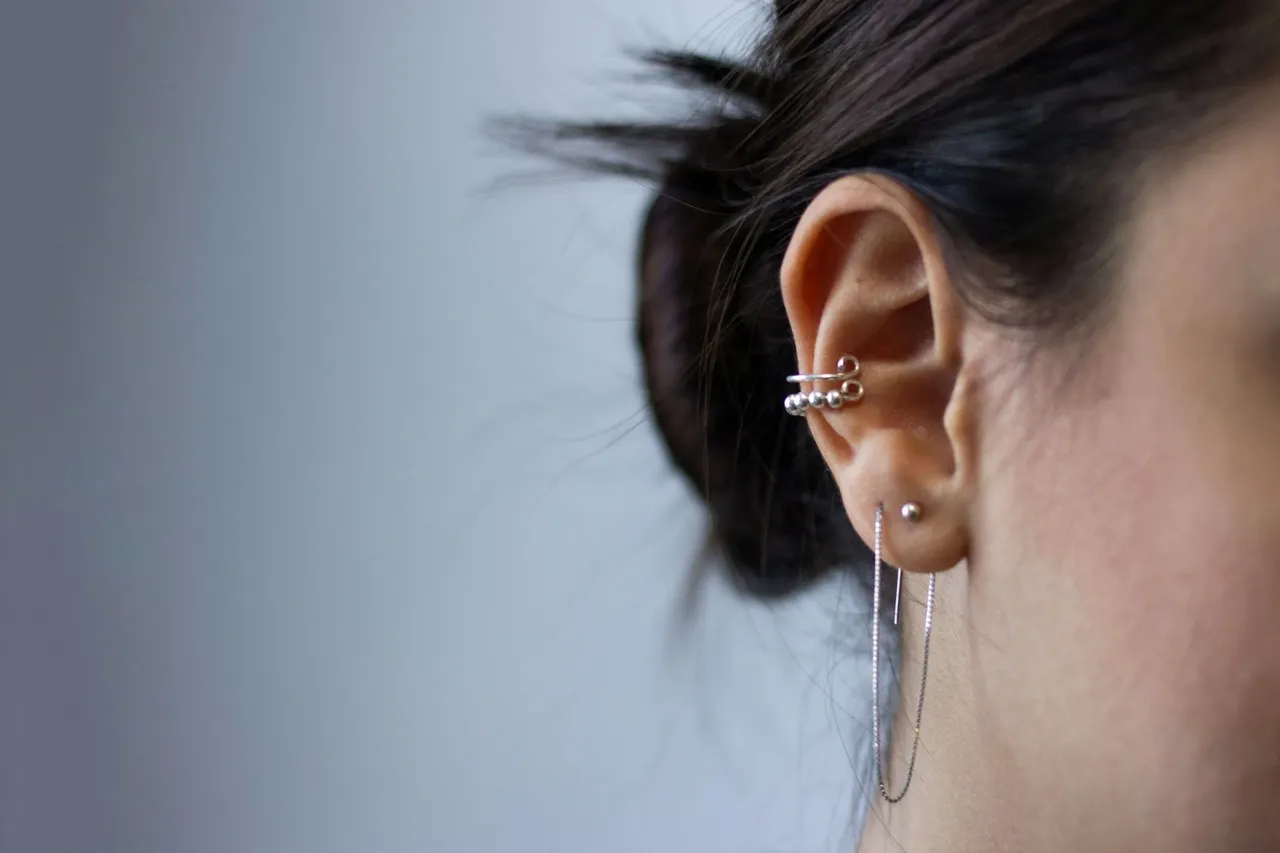

Ear health probably isn’t something most people think about every day, but it plays a big part in how we feel and function. Clear hearing helps us enjoy conversations, stay safe in our surroundings, and even sleep better. When our ears are clean and cared for, everything from our balance to our mood can feel more in tune. But just like brushing your teeth or washing your face, ear care benefits from simple, regular habits.
Have you ever stopped to think about your current ear care routine? Maybe it’s something you ignore until there’s a problem. Or maybe you’re doing a few things that actually make things worse without realising it. The good news is, you don’t need an elaborate process to keep your ears in good shape. A few small habits, added into your daily life, can make a lasting difference.
Daily Cleaning Routine
Cleaning your ears seems like a no-brainer, but it’s one of the most misunderstood parts of daily hygiene. It might feel satisfying to reach for a cotton tip after a shower, but it’s not a good move. That stick actually pushes wax further in, and in some cases, can cause scratches or blockages. Your ears are designed to clean themselves in many ways, so it’s worth knowing when to leave them alone and when to lend a helping hand.
Try these safer ways to manage daily ear hygiene:
1. Let warm water from your shower gently rinse the outside of your ears. Just let the water run down naturally and pat it dry after.
2. Use a clean towel or tissue to wipe the outer ear. Go only where your finger naturally fits without forcing or digging.
3. Avoid inserting objects (including cotton tips) into the ear canal. Even if it seems like it’s helping, it often causes more harm than good.
Wax isn’t dirt. It’s your body’s way of protecting your ears. If it builds up and starts causing hearing issues or discomfort, that’s the time to get an expert involved rather than trying to fix it on your own. Small habits like these can keep your ears fresh without risking damage.
Moisturising and Hydration
Dry, itchy ears aren’t just uncomfortable—they can signal that your skin needs a bit more attention. Just like the rest of your body, the skin around and inside your ears can get dehydrated, especially in dry climates or after frequent water exposure. If you’ve ever had flaking or irritation near your ears, lack of moisture could be the culprit.
Here are a few suggestions to help keep your ears feeling comfortable:
1. After washing your face or bathing, apply a small amount of a gentle, fragrance-free moisturiser to the outside of your ears. Choose something safe for sensitive skin.
2. Drink plenty of water. Good hydration helps more than just your skin—it keeps your body balanced, including your ears.
3. If you’re a regular swimmer or find yourself in water often, dry your ears gently afterwards with a towel and tilt your head to help any trapped water escape.
One patient shared how her ears always felt itchy after long walks on windy mornings. She started adding a bit of moisturiser right after washing her face and noticed a big difference in just a week. It’s a small step, but it helped her stop scratching and avoid further irritation. Keeping ears hydrated isn’t complicated—it’s just about noticing what they need and making a small change.
Regular Check-Ins with a Professional
Even with a solid daily routine, some situations just need trained eyes and ears. Getting your ears checked once in a while can help catch things you wouldn’t notice on your own, like buildup deep in the canal or early signs of irritation. While it’s easy to ignore mild discomfort, letting it go too long can lead to bigger problems.
Jacinta, our clinician, often sees people who waited until their hearing was noticeably muffled or their ears actually hurt. In many cases, the issue started small and could’ve been eased much earlier with a quick check-up. Some clients show up thinking they just need to clean better, but what they really need is professional care to remove a blockage safely.
Regular appointments don’t need to happen every month. Often, once or twice a year works well for most people, unless you’re someone prone to earwax buildup or spend a lot of time in dusty areas or loud environments. Kids, older adults, or anyone using hearing aids may benefit from more frequent check-ins.
Listening to your body is key. If your ears feel full, itchy on the inside, or if your hearing has changed suddenly, that’s a good reason to book an appointment. You don’t have to wait until you’re in pain. Making room for ear care alongside regular dental or vision checks keeps things simple and preventative.
Protecting Your Ears From Loud Noises
Hearing damage isn’t always instant. In many situations, it builds over time from repeated exposure. Everyday life brings loud noise—yard tools, concerts, traffic, or even one-offs like fireworks or car races. Protecting your ears doesn’t mean avoiding these things entirely. It means knowing when to be smart about sound.
Here are a few good habits to help protect your ears each day:
1. Turn the volume down one notch. Whether you’re using headphones or speakers, keeping it at a comfortable level helps avoid strain.
2. Wear earplugs or earmuffs in loud spaces. This includes concerts, mowing the lawn, or using noisy equipment.
3. Take quiet breaks. If you’ve been around loud noise for a while, step into a calm space to let your ears rest.
4. Be alert to ringing in your ears. That buzzing sound afterward means your ears have been under stress.
One client who worked construction shared how even short bursts of noise from equipment had started to wear on him. He now keeps earplugs in his pocket and pops them in anytime something’s running nearby. He says it was one of the easiest habits he’s ever picked up, and he wishes he’d started sooner.
Protecting your ears doesn’t make you overly cautious. It just keeps you listening longer. Small steps like the ones above go a long way in helping preserve your hearing for the long run.
Bringing Ear Health Into Focus
Daily ear care isn’t about being perfect every second. It’s about paying attention and adding a few thoughtful habits to your day. Whether it’s cleaning gently, staying hydrated, avoiding loud sounds, or scheduling a quick check-in, it all adds up to long-term comfort and hearing health.
Most people don’t notice the value of good ear care until something feels off. The good news is, you don’t need to wait for that moment. By treating your ears with the same attention you give other parts of your body, you’re setting yourself up for fewer surprises later. Ear care deserves a spot on your list, right alongside brushing teeth or wearing sunscreen. It’s simple, and it truly makes a difference.
To keep your hearing in check and avoid common issues that can come from neglect, learn how to properly care for ears with guidance from Clear Ears Townsville. We’re here to help you build habits that support better hearing all year long.